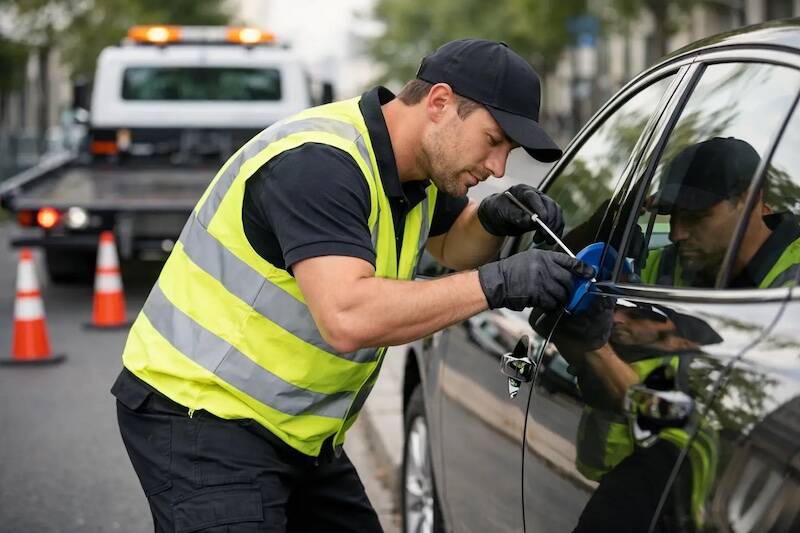
You notice it the moment the door clicks shut - keys on the seat, phone battery low, somewhere to be. In that moment, searching for how to unlock a car without damage feels urgent, but it is also where people make expensive mistakes. A rushed attempt with the wrong tool can turn a simple lockout into scratched paint, bent door frames, damaged seals or a failed locking system.
The good news is that many car lockouts can be resolved cleanly. The right approach depends on the vehicle, the type of lock, where the keys are, and whether the car uses deadlocks, double locking or keyless entry. What works on an older model may be a bad idea on a newer one.
How to unlock a car without damage - start with the safe checks
Before trying anything hands-on, stop and check the obvious. It sounds basic, but stress makes people miss simple fixes. Try every door, including the boot, and check whether a passenger door has failed to lock properly. If the vehicle has an app-based entry system, test that first. If you have a spare key nearby, getting someone to bring it over is often the cleanest option.
If a child or pet is inside, or the car is running, this is no longer a routine inconvenience. Treat it as urgent and get professional help straight away. Speed matters more than experimentation in that situation.
Also take a quick look at the key itself. If the issue is not a lockout but a remote that has stopped responding, the problem may be a flat fob battery rather than the car being fully inaccessible. Some vehicles still allow manual entry using a hidden emergency key inside the fob. If you know your car has one, use that rather than forcing anything.
Why DIY entry often causes damage
A lot of online advice makes forced entry sound easier than it is. Coat hangers, screwdrivers, plastic wedges and bits of wire are often mentioned as quick fixes. On real vehicles, they are a gamble.
Modern cars are built with tighter tolerances, better seals and more complex locking systems. Prying the top of a door can bend the frame just enough to create wind noise and water leaks later. Sliding metal into the door can tear weather stripping, scratch glass or catch wiring for central locking and airbags. Even if you get in, you may create a fault that costs more than the original problem.
There is another issue people do not always consider. Some cars deadlock once secured, which means pulling an interior handle or pressing an inside button will not open the door from the outside. So the trick you have seen online may not work anyway.
When a car can be opened cleanly
Non-destructive entry is possible in many cases, but it relies on the right method and the right equipment. Professional auto locksmiths use vehicle-specific techniques designed to gain access without harming the locks, bodywork, glass or seals.
That does not mean every car is identical. Some vehicles allow controlled access through the door frame using specialist inflatable wedges and long-reach tools. Others need a different approach because of the shape of the cabin, the position of the locking controls, or the risk of triggering damage. The point is not just getting the door open. It is getting it open properly.
A trained locksmith will also know when not to use a certain method. That matters just as much as the tool itself.
Older cars versus newer models
Older vehicles with simpler locking mechanisms can sometimes be easier to access. Newer models often have anti-theft features, shielded lock components and electronics that make improvised entry riskier. Keyless systems can add another layer of complication because the issue may involve the fob, vehicle battery or programming rather than the lock alone.
This is why one-size-fits-all advice is unreliable. The safer answer usually depends on the make, model and year of the vehicle.
What you should avoid trying
If your aim is to work out how to unlock a car without damage, the first rule is knowing what not to do. Do not force a window down. Do not lever the door open with a screwdriver. Do not push sharp or rigid objects between the glass and seal. And do not keep pulling at the handle if the car is double locked and clearly not responding.
People also sometimes try the boot because it feels less risky. On some vehicles that can still damage trim, latches or wiring, especially around powered tailgates. If the boot is electronically released and the car battery is flat, forcing it is rarely the answer.
Another common mistake is using general roadside help for a specialist problem. Recovery services can be useful, but not all carry the equipment or experience needed for clean vehicle entry. If the priority is non-destructive access, an auto locksmith is usually the better fit.
When to call a mobile auto locksmith
If your spare key is not available, the remote is not working, or you are dealing with a modern vehicle, calling a specialist early often saves time and money. A mobile auto locksmith comes to the vehicle, which means no towing, no waiting around at a dealer, and no need to leave the car stranded where it is.
That matters in everyday situations across Essex - at home before the school run, in a station car park, outside work, on a driveway, or at the side of the road after a rushed stop. Most people do not need theory in that moment. They need someone who can get there, confirm the issue and sort it on-site.
For many drivers, that is the real value of a specialist service. It is not just about opening a locked car. It is about resolving the whole problem properly, whether that means retrieving keys locked inside, cutting a replacement key, dealing with a broken key, or programming a new remote there and then. That practical, no-fuss approach is exactly why businesses like Orme AutoKeys are called out in urgent situations.
How professionals reduce the risk of damage
A proper entry process is controlled from start to finish. First, the locksmith confirms ownership and assesses the vehicle. Then they choose the least invasive method based on the lock type and the vehicle layout. The aim is to create access with minimal pressure on the door frame and no unnecessary contact with sensitive parts.
Experience matters here because tiny details make a difference. The angle of the tool, where pressure is applied, how much space is created, and whether the locking system is likely to resist a particular method all affect the outcome. A rushed or untrained attempt is where damage usually happens.
Good auto locksmiths also think one step ahead. If the reason for the lockout is a failed key, weak fob battery, snapped blade or programming fault, they can often deal with that at the same visit. That stops the same problem happening again an hour later.
If your keys are locked in the car, lost or not working
These are three different problems, even if they feel similar when you are standing outside the car. Keys visibly locked inside usually point to an access issue first. Lost keys often become both an access problem and a security issue, especially if you are unsure where they went missing. A key that is present but not working may involve transponder faults, remote issues or damage to the key itself.
That is why the best next step depends on the situation. If the keys are simply sitting on the seat, non-destructive entry may be all that is needed. If the only key is gone altogether, replacement and programming may be the real job. If the key turns poorly or the remote has failed, forcing the lock can make things worse.
The quickest route is not always the cheapest mistake
Trying to save money with a DIY method can be understandable, especially if you are stuck close to home. But there is a difference between a sensible check and a risky attempt. One bent frame, torn seal or scratched panel can wipe out any saving straight away.
A specialist callout is usually about avoiding that spiral. You get a response to your location, a method suited to your vehicle, and a much better chance of getting back in without adding bodywork or lock repairs to the day’s problems.
If you are locked out now, keep calm, avoid makeshift tools, and think in terms of the cleanest fix rather than the quickest gamble. Getting back into your car matters, but keeping it undamaged matters just as much. That is the difference between solving the problem and making it bigger.